
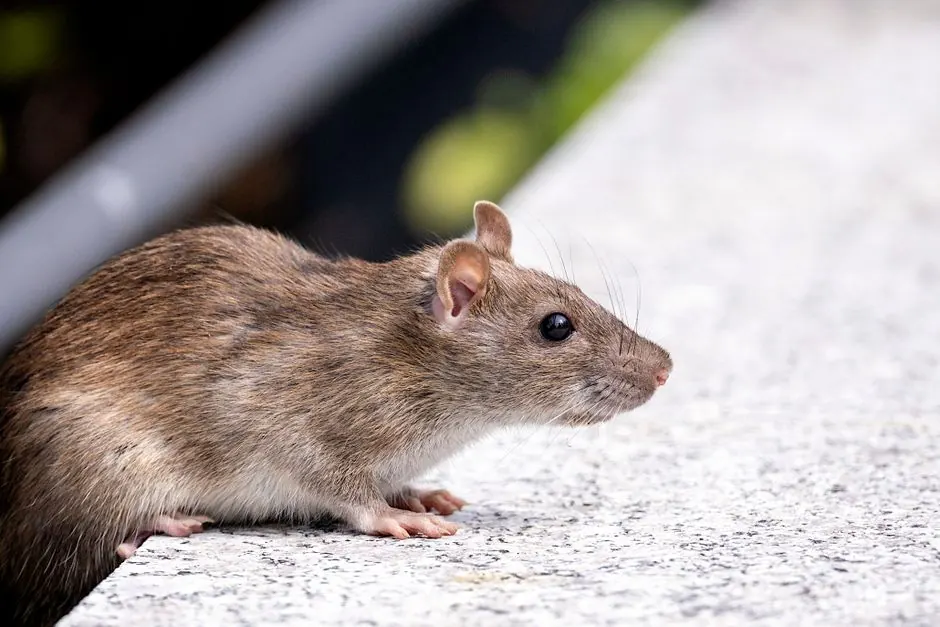
Rodent exclusion is vital for Miami properties to prevent infestations and protect your home from damage. This process involves sealing off entry points to keep rodents out, which is particularly important in a city like Miami, where warm weather and urban environments create ideal conditions for rodent activity.
This article explores the significance of rodent exclusion, common entry points for rodents in Miami, how the exclusion process works, and when to call a professional for help.
What is rodent exclusion?
Rodent exclusion is a pest management strategy that focuses on preventing rodents from entering a property. It involves identifying and sealing potential entry points, making it more difficult for rodents to gain access to your home or business.
Why is rodent exclusion crucial in Miami?
Rodent exclusion is essential in Miami due to the region's climate and urban density. The warm, humid environment provides an ideal breeding ground for rodents, increasing the likelihood of infestations. Additionally, older buildings in areas like Little Havana may have structural vulnerabilities that rodents exploit.
Rodents can cause significant damage to properties. They chew through wiring, insulation, and even structural components, leading to costly repairs. In 2026, homeowners may face repair costs ranging from $500 to $2,000, depending on the extent of the damage. Exclusion helps mitigate these risks by keeping rodents out before they can cause harm.
Common entry points for rodents in Miami
Identifying common entry points is crucial for effective rodent exclusion. In Miami, rodents often enter through:
- Cracks in the foundation or walls
- Openings around utility lines, such as pipes and wires
- Gaps around doors and windows
- Ventilation openings that lack screens
- Unsealed chimneys
By addressing these vulnerabilities, property owners can significantly reduce the risk of rodent infestations. For instance, sealing gaps around windows in South Beach can prevent rodents from entering homes that are often close to food sources like restaurants and markets.
How does rodent exclusion work?
Rodent exclusion involves several steps to ensure that properties are protected. First, a thorough inspection is conducted to identify potential entry points. This inspection typically takes 1-2 hours, depending on the property's size.
Once vulnerabilities are identified, sealing methods may include:
- Using caulk or expanding foam for small cracks
- Installing metal mesh or screens over openings
- Repairing or replacing damaged doors and windows
- Blocking access to attics and crawl spaces
After the exclusion process is complete, ongoing monitoring is recommended. Many homeowners in Miami benefit from ongoing rodent monitoring services to ensure that their properties remain rodent-free.
What to watch out for with rodent exclusion
While rodent exclusion is effective, there are common mistakes to avoid:
- Neglecting to inspect regularly can lead to missed entry points.
- Using improper sealing materials that rodents can chew through.
- Ignoring signs of previous infestations, such as droppings or nests.
In Miami, where the rodent population can rebound quickly, staying vigilant is key. Homeowners should be proactive and consider professional rodent inspection and assessment services to ensure their properties are secure.
When to call a professional
It's advisable to call a professional when you notice signs of a rodent infestation or if you're unsure about how to effectively implement exclusion measures. Professionals, like 1st solution Pest Control, can provide expert assessments and tailored exclusion strategies. This ensures comprehensive protection for your property.
Frequently Asked Questions
1. How much does rodent exclusion cost?
Rodent exclusion costs typically range from $300 to $1,500 in 2026, depending on the size of the property and the extent of the work needed.
2. How long does rodent exclusion take?
The exclusion process generally takes 1-3 days, depending on the complexity of the property and the number of entry points that need to be sealed.
3. Can I do rodent exclusion myself?
While some basic exclusion methods can be DIY, hiring professionals ensures thorough inspection and effective sealing, reducing the risk of future infestations.
4. What are the signs of a rodent infestation?
Common signs include droppings, gnaw marks, nests made from insulation or paper, and unusual noises in walls or ceilings.
5. How often should I have my property inspected for rodents?
It's recommended to have your property inspected at least once a year, especially in areas with a history of rodent problems.
Get help with Rodent Control in Miami
If you need assistance with rodent control in Miami, contact us today. Our team at 1st solution Pest Control is ready to help you secure your property from rodent infestations.
Call us at +17869210665.